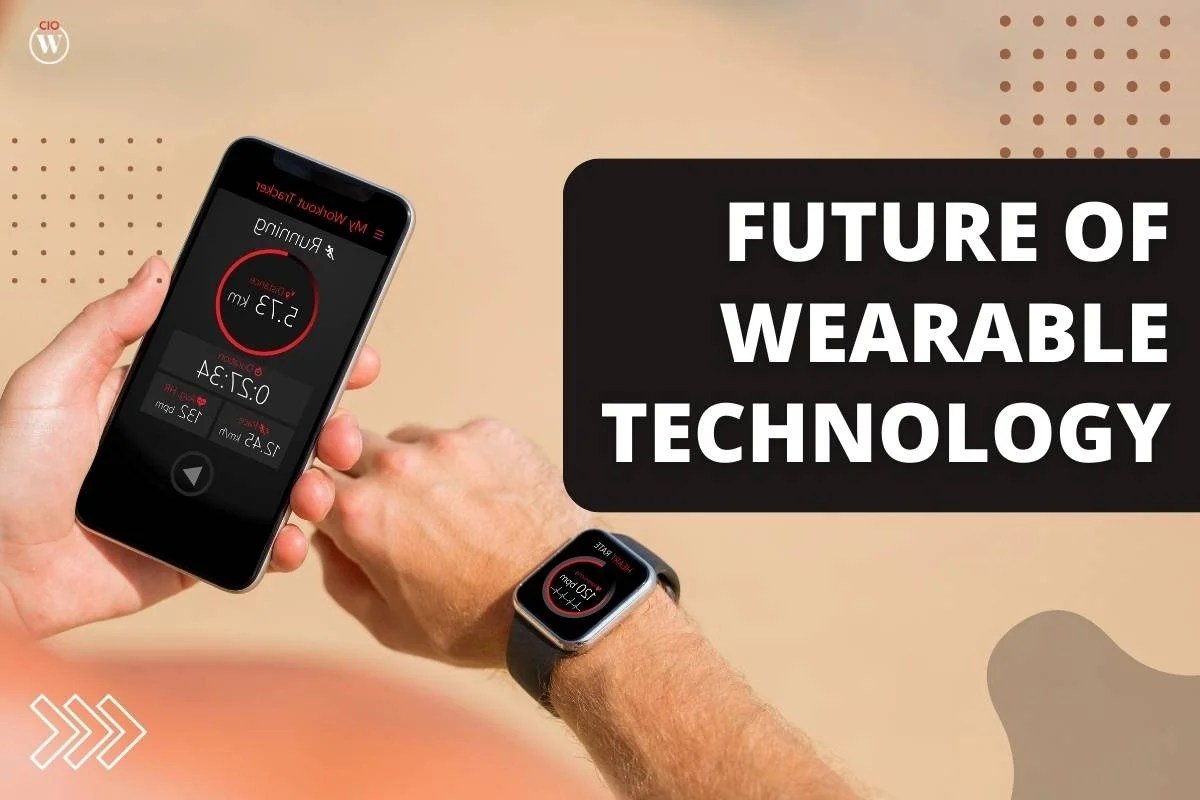
Imagine a world where your clothes understand your body, your accessories predict your health, and your eyeglasses overlay digital information onto reality. This isn't science fiction; it's the present, powered by Wearable Technology. These ingenious electronic devices, worn on or even implanted in the body, continuously capture a wealth of personal and environmental information – from your steps and heart rate to sleep patterns and even blood pressure. Connecting seamlessly via Bluetooth or the internet to your smartphone or other devices, wearables collect, share, and make sense of this data, transforming how we approach fitness, health, fashion, and even gaming.
Whether you're an elite athlete optimizing performance, a busy professional seeking to boost productivity, or someone simply curious about their daily well-being, wearable technology offers an unprecedented window into your personal ecosystem. It's not just about tracking; it's about empowering you with insights to live a healthier, more efficient, and more connected life.
At a Glance: What You'll Discover About Wearable Technology
- Understanding the Core: What defines wearable technology and how it integrates into daily life.
- The Diverse Landscape: A deep dive into the many types of wearables, from smartwatches to implantables.
- Real-World Impact: How wearables are transforming health, fitness, productivity, and even business.
- Key Considerations: Important factors like accuracy, privacy, and choosing the right device for your needs.
- The Future is Now: A glimpse into the exciting innovations shaping the next generation of wearable tech.
What Exactly Is Wearable Technology? Your Personal Data Dashboard
At its heart, wearable technology is about bringing computing power and data collection directly to your body. Think of it as a personal information system that's always on, always with you, and always collecting valuable insights. Unlike a smartphone you hold in your hand, a wearable is integrated into your attire or worn on your skin, working tirelessly in the background.
These devices aren't just passive sensors. They connect, interpret, and often provide immediate feedback, allowing you to react in real-time. This continuous stream of data, from your heart rate during a workout to the quality of your sleep, offers a comprehensive picture of your physical state and habits, making it easier to set goals, track progress, and make informed decisions about your lifestyle.
A World on Your Wrist (and Beyond): The Diverse Landscape of Wearables
The term "wearable technology" covers an incredibly broad and innovative spectrum of devices. While many people immediately think of fitness trackers or smartwatches, the reality is far more expansive, touching almost every part of our lives and bodies.
Fitness Trackers: Your Personal Health Coach
Evolved from simple pedometers, modern fitness trackers are designed to monitor an extensive range of fitness and sports activities. Worn on the wrist, chest, or even in the ear, these devices go beyond counting steps. They track speed, distance covered, pulse, exhalation, calories burned, and even sleep quality. Many trackers can encourage exercise through reminders and motivational insights, proving invaluable for casual enthusiasts and serious athletes alike. Some advanced models even allow data upload directly to healthcare providers, forming a crucial link in personalized health management.
Smartwatches: Your Mini Computer on the Go
More than just time-telling devices, smartwatches are miniature, mobile-based computers that live on your wrist, typically paired with a smartphone. They keep you connected by alerting you to incoming calls, calendar reminders, and messages, often allowing you to read and even send replies directly from your wrist. Beyond communication, smartwatches pack a punch with GPS tracking, comprehensive health and fitness capabilities (similar to dedicated trackers), and often waterproofing. Some cutting-edge models can even interpret hand gestures, offering new ways to interact with your digital world.
Smart Jewelry: Style Meets Substance
For those who prioritize aesthetics but still want to track health and fitness, smart jewelry offers a less intrusive and more fashionable solution. This category includes smart rings, bracelets, bangles, and even earring backs. These elegant pieces discreetly monitor vital signs like heart rate and sleep patterns, while also providing convenient alerts for incoming calls or messages. It’s the perfect blend of high fashion and high tech.
Smart Clothing (e-textiles): Weaving Tech into Your Wardrobe
Imagine your clothes actively monitoring your physical condition. That's the promise of smart clothing, also known as electronic textiles or e-textiles. Items like helmets, hats, socks, and shirts are embedded with sensors that can track everything from an athlete’s performance metrics (helping reduce injury) to providing critical medical and lifestyle insights due to their large body contact. Innovations abound: smart shirts can aid in respiratory disease diagnosis, smart shoes analyze running form, smart socks detect foot ulcers or monitor a baby’s oxygen and heart rate, yoga pants improve your poses, and swimsuits even alert you about sunscreen needs. This category truly demonstrates how wearable technology is becoming an extension of ourselves.
Smart Earbuds: Beyond Just Listening
Unlike traditional Bluetooth earbuds, smart earbuds are equipped with advanced sensors and processing power to collect and send data. Featuring built-in compasses, GPS, gyroscopes, and various other sensors, they transmit movement and direction information to your smartphone. This means real-time navigation instructions can be delivered directly into your ear, or they can even track your head movements for immersive audio experiences.
Smart Glasses & Head-mounted Displays (HMDs): Seeing the World Differently
This category offers entirely new ways to interact with digital information and perceive reality.
Smart Glasses: Digital Overlays for Daily Life
Smart glasses fall into two main groups: those that pair wirelessly with a smartphone and those requiring a wired connection for image display. They often feature monocular displays, enabling hands-free calling, wireless music streaming, and even live video feeds. Critically, many smart glasses are AR-enabled, superimposing digital information over your real-world view, allowing you to read and reply to text messages without ever reaching for your phone.
Head-mounted Displays (VR/AR): Immersive Experiences
Also known as virtual reality (VR) headsets or VR glasses, HMDs are worn over the eyes and provide an immersive field of view. Augmented Reality (AR) HMDs superimpose digital information over reality, allowing you to interact with both the physical and virtual worlds simultaneously. VR HMDs, on the other hand, fully immerse users in a completely virtual environment through visual simulations and movement detection sensors. These powerful devices are extensively used for everything from professional training simulations to highly engaging gaming experiences.
Wearable Cameras: Capturing Life as It Happens
Mobile, flexible, and user-friendly, wearable cameras are designed for real-time photo and video creation. These range from tiny cameras for ears or helmets to larger versions requiring attachment to clothing or gear. They offer a unique perspective, allowing you to document experiences hands-free, whether you're rock climbing, cycling, or just chronicling a day out. Proper installation is key to ensure they stay secure during activity.
Wearable Medical Devices: Proactive Health Monitoring
Equipped with one or more biosensors, wearable medical devices are specifically designed to monitor physiological data for early disease diagnosis and prevention. These non-invasive sensors track vital signs and specific bodily functions, offering peace of mind and proactive health management. Examples include devices that monitor core body temperature for heat training (beneficial for extreme athletes) and professional breathing trainers that improve lung capacity for athletes or individuals with lung conditions. This category is rapidly expanding, promising a future of personalized, continuous health oversight.
Implantables: The Frontier of Internal Tech
Taking wearable technology to its most intimate level, implantables are devices that make internal contact with the body, inserted via surgery. Pacemakers and defibrillators are classic examples, typically recharged wirelessly. Recent innovations have explored sensor-coated pills to monitor health data internally, with information tracked externally. This field represents the cutting edge of integrating technology directly into human biology for continuous, in-depth monitoring and intervention.
Smart Contact Lenses: Vision for the Future
A truly innovative development, smart contact lenses are primarily designed for medical purposes. They can monitor diseases such as cataracts, diabetes, and glaucoma, and even aid farsightedness. Some models operate on solar power, capable of capturing and storing images or videos, and many are AR-enabled, offering a glimpse into a future where digital information is literally projected onto our field of vision. While still an emerging field, these tiny wonders fall under the umbrella of implantable devices due to their direct contact with the body.
Why Wearables Matter: Unlocking Real-World Benefits
The proliferation of wearable technology isn't just a fad; it's driven by tangible benefits that improve various aspects of our lives. From individual well-being to business efficiency, these devices are making a significant impact.
Enhanced Health & Fitness Monitoring
Perhaps the most widely recognized benefit, wearables excel at providing continuous, real-time data on your physical activity and health metrics. This constant feedback empowers you to:
- Track Progress: See how many steps you take, calories you burn, and how well you're sleeping.
- Set Goals: Use data to establish realistic fitness and health objectives.
- Identify Patterns: Understand how different activities or habits impact your body over time.
- Encourage Movement: Receive gentle nudges to stand up, move, or complete your activity rings.
This granular insight allows for a more personalized approach to health, far beyond what episodic doctor visits can provide.
Boosted Productivity & Efficiency
Wearables aren't just for health; they're powerful tools for improving daily productivity. By providing faster, hands-free access to information and notifications, they significantly reduce interruptions and the need to constantly check your mobile device. Imagine reading urgent messages or getting navigation cues without ever taking your phone out of your pocket. This streamlined interaction allows you to stay focused on the task at hand, whether it's driving, working, or simply enjoying the moment. For a deeper dive into how different technologies enhance daily life, you might want to Learn what makes them different..
Personalized Insights & Prevention
Beyond raw data, many wearables use sophisticated algorithms to provide actionable insights. They can detect early signs of stress, suggest optimal recovery times, or even flag potential health anomalies that warrant a doctor's visit. This proactive approach to health monitoring is moving us from reactive treatment to preventative wellness. For instance, continuous heart rate monitoring can detect irregularities that might otherwise go unnoticed, allowing for timely medical intervention.
Empowering Athletes and Optimizing Performance
For athletes, wearables are indispensable training partners. They monitor performance metrics with incredible precision, from running cadence and swimming strokes to core body temperature during extreme conditions. This data allows athletes and coaches to fine-tune training regimens, identify areas for improvement, reduce injury risk, and push boundaries safely and effectively. Devices like pro breathing trainers even work to improve lung capacity, offering a competitive edge.
Transforming Business & Customer Engagement
Businesses are increasingly adopting wearable devices to gain a competitive advantage. They track customer data in real-time, offering unprecedented insights into behavior, preferences, and engagement. This allows companies to personalize experiences, optimize marketing efforts, and streamline operations. Furthermore, in industrial settings, wearables can enhance worker safety, provide hands-free instructions, and track progress, boosting operational efficiency across the board.
Navigating the Wearable World: Practical Considerations
While the benefits of wearable technology are immense, it's crucial to approach its adoption with a clear understanding of certain practical considerations.
Accuracy and Data Reliability
The accuracy of data collected by wearables can vary significantly between devices and brands. While most are excellent for general trends and motivation, medical-grade accuracy is typically reserved for specialized medical devices. For critical health monitoring, always consult with a healthcare professional and do not rely solely on consumer-grade wearables for diagnosis or treatment. It's important to understand the limitations of your device.
Privacy and Security Concerns
Wearable devices collect highly personal and sensitive data. This raises important questions about privacy and security. Who owns your data? How is it stored? Who can access it? Before investing in a wearable, research the manufacturer's data privacy policies. Ensure the device uses strong encryption and secure data transfer protocols. Opt for devices that give you control over your data sharing settings and be mindful of what information you choose to share.
Choosing the Right Wearable for You
With so many options available, selecting the right wearable can feel daunting. Consider these factors:
- Your Primary Goal: Are you focused on fitness, health monitoring, productivity, or a blend of everything?
- Lifestyle: Do you need waterproofing? A long battery life? A discreet design?
- Compatibility: Ensure the device pairs seamlessly with your existing smartphone or other gadgets.
- Budget: Wearables range widely in price, so determine what you're willing to invest.
- Comfort & Style: Since you'll be wearing it often, comfort and aesthetic appeal are crucial.
- Features: Prioritize the features that truly matter to you, avoiding feature overload.
A good wearable should enhance your life without adding complexity. Start by identifying your core needs, then explore options that meet those requirements.
The Road Ahead: What's Next for Wearable Technology
The evolution of wearable technology shows no signs of slowing down. We're on the cusp of even more exciting advancements that will further integrate these devices into the fabric of our lives.
Smaller, Smarter, Seamless
The trend toward miniaturization will continue, making wearables even more discreet and comfortable. Devices will become increasingly streamlined, fading into the background of our daily existence while delivering more powerful insights. Expect longer battery life, faster processing, and even more sophisticated sensor technology packed into smaller form factors.
Advanced AI and Predictive Analytics
Artificial intelligence (AI) and machine learning will play an even greater role in interpreting the vast amounts of data collected by wearables. Instead of just showing you patterns, your devices will offer more personalized, predictive advice. They might anticipate potential health issues before symptoms appear, suggest optimal workout routines based on your recovery, or even tailor your environment based on your current stress levels. This moves beyond simple tracking to intelligent, proactive guidance.
Integration with IoT and Smart Homes
Wearables are a natural fit for the Internet of Things (IoT). Expect seamless integration with smart home devices, vehicles, and other connected technologies. Your wearable could automatically adjust your thermostat based on your body temperature, unlock your smart door as you approach, or even pre-order your coffee based on your morning routine. The future promises a truly interconnected personal ecosystem where all your devices work in harmony.
Embracing the Wearable Revolution
Wearable technology has rapidly moved from niche gadgetry to an indispensable part of modern life for millions. By offering unprecedented access to personal data, these devices empower us to make healthier choices, boost our efficiency, and stay connected in entirely new ways. The journey of wearable tech is just beginning, with continuous innovation promising even more seamless, intelligent, and life-changing applications.
Whether you're taking your first step into the world of smartwatches or exploring the cutting edge of implantable medical devices, one thing is clear: the future is wearable, and it's already here, revolutionizing health, fitness, and our daily tasks. It’s an exciting time to be an active participant in this technological evolution.