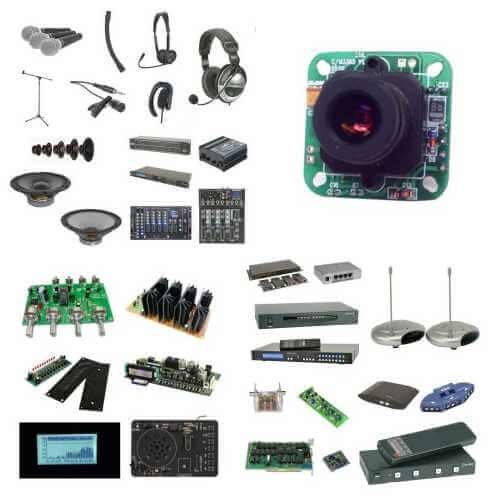
Imagine walking into an event – a keynote speech, a product launch, a gala dinner – and the sound is crisp, the visuals are stunning, and every message lands perfectly. That seamless experience isn't magic; it's the result of meticulously planned Audio & Visual Equipment. From the moment your audience arrives until the last applause, the right AV setup elevates your message, captivates attendees, and can be the make-or-break factor for your event's success. But getting it right isn't just about renting a few speakers and a projector; it's about strategic choices, technical know-how, and a human-first approach to technology.
We're diving deep into the world of event AV – stripping away the jargon and giving you the insider's guide to planning, choosing, and executing a flawless technical experience.
At a glance: Key Takeaways for Your Event AV Planning
- AV is more than tech; it's storytelling. It amplifies your message and creates an immersive experience.
- Poor AV equals poor event. Audio feedback, bad visuals, and technical glitches alienate audiences and undermine your professionalism.
- Plan early and comprehensively. It's not an afterthought, but a core component of your event strategy.
- Prioritize essentials first. Microphones, electrical supply, and dedicated technicians are non-negotiable.
- Match equipment to your unique needs. Don't overspend or underdeliver by mimicking others.
- Always test, test, test! Pre-event walkthroughs and soundchecks catch issues before they go live.
- Invest in professional support. Technicians are your event's unsung heroes, ensuring smooth sailing.
Why AV is the Unsung Hero of Your Event
Audiovisual (AV) equipment refers to the diverse range of devices that combine both sound and sight to enhance communication. Think speakers that carry a presenter's voice across a vast ballroom, monitors and video walls that display engaging content, or microphones that allow for clear Q&A sessions. For any event, regardless of scale – from intimate workshops to grand conferences – AV is fundamentally about perception and engagement. It's the engine that powers entertainment, boosts production value, and ultimately, dictates the overall success and memorability of your gathering.
Choosing the right AV arsenal isn't a one-size-fits-all endeavor. It's a strategic decision influenced by several critical factors:
- Project Reasoning: What are you trying to achieve? Building a brand reputation, selling a product, educating an audience, or celebrating a milestone?
- User Capability: Will presenters be tech-savvy, or do they need foolproof, plug-and-play solutions?
- Budget Constraints: How much can you realistically allocate without compromising quality where it matters most?
- Customer Needs: What kind of experience do your attendees expect or require? Is it a passive viewing, or an interactive engagement?
Proper AV equipment planning isn't just about having cool gadgets; it's about achieving your event goals. It's how you ensure every piece of equipment is functional, operates within its required capacity, and allows for swift troubleshooting without interrupting your production quality. Top-tier AV equipment also broadcasts a powerful message of professionalism, which can significantly sway key stakeholders and encourage their support for future endeavors.
The High Stakes: What Happens When AV Goes Wrong?
While the benefits of good AV are clear, the repercussions of poor planning can be disastrous. Nobody wants their carefully crafted event derailed by a preventable technical glitch. Understanding these common pitfalls is the first step toward avoiding them.
The Dreaded Audio Feedback: When Sound Turns on Itself
Few things shatter an audience's focus faster than a piercing screech of audio feedback. This common issue, often caused by a microphone picking up its own amplified sound from a speaker, can instantly impact audience retention and enjoyment. Imagine a CEO mid-sentence, suddenly interrupted by a jarring squeal – professionalism evaporates in an instant.
How to avoid it: Preventing feedback requires a multi-pronged approach. Firstly, guide your presenters on microphone etiquette and where to position themselves relative to speakers. This might mean marking specific areas on stage. Secondly, and critically, rigorous soundchecks are non-negotiable. Technicians need to meticulously troubleshoot for frequency- or equipment-related feedback well before guests arrive, testing microphone placements and speaker levels in the actual event space.
The Squint Factor: Incorrect Display Size
Have you ever been at an event where the screen was too small, the image was pixelated, or crucial text was unreadable from the back row? Misjudging the size of displays, be it on video walls or monitors, can lead to a significant loss of audience interest and engagement. If your audience can't see, they can't connect.
How to avoid it: Your planning needs to carefully consider audience needs, the venue's dimensions, and any potential obstructions like pillars or lighting rigs. Walk the room from various perspectives. Will someone in the back corner have a clear view? Is the content optimized for large-format display, or will it just look like a stretched-out spreadsheet? Ensuring visibility for every attendee is paramount to maintaining their attention and investment in your content.
Broader Consequences: Beyond the Glitch
Beyond these specific technical failures, neglected AV planning can lead to:
- Damaged Reputation: An event plagued by technical issues reflects poorly on your organization.
- Wasted Investment: Even the most brilliant content falls flat if it can't be seen or heard.
- Presenter Frustration: Imagine the stress on a speaker battling a malfunctioning mic or unresponsive clicker.
- Reduced Engagement: Audiences disengage quickly when the technology becomes a barrier rather than an enabler.
These aren't just minor inconveniences; they're direct threats to your event's objectives and long-term impact.
Building Your AV Blueprint: The Essential Checklist
Successfully orchestrating your event's AV requires a systematic approach. Here's a checklist of core components you absolutely need to consider, broken down into critical categories.
Microphones: Your Voice, Amplified
The humble microphone is arguably the most vital piece of audio equipment. Without clear audio, even the most compelling message is lost.
- Types Matter:
- Wired Microphones: Offer unparalleled reliability and consistent sound quality, making them ideal for stationary presenters like panelists or podium speakers. The trade-off is limited movement.
- Non-Wired (Wireless) Microphones: Provide presenters with freedom to move across the stage, interact with the audience, or use gestures more naturally. However, they come with a higher risk of frequency interference or battery issues. Quality wireless systems mitigate these risks, but it's a factor to consider.
- Quantity and Backups: Always over-order. The quantity needed depends directly on your production size and the number of active speakers. For events with multiple presenters, a good rule of thumb is to have two to three backup microphones per presenter readily available and fully charged. This includes different types, such as a lavalier (clip-on) and a handheld, to suit various presentation styles and provide redundancy.
Powering Up: The Electrical Supply Backbone
You can have the most cutting-edge AV gear, but without adequate and stable power, it's all just expensive decor. Electrical supply is absolutely imperative for presentation continuity.
- Venue Limitations: Before even thinking about equipment, account for the venue’s existing electrical capacity. A large-scale production with numerous simultaneous systems – video walls, powerful speakers, extensive lighting – will demand significant energy. Don't assume the venue can handle it.
- Supplemental Power: For high-production-value events, or those in older venues with limited infrastructure, supplemental electricity via generators may be not just beneficial, but necessary. Research your venue's capacity, power outlets, and potential needs well in advance to avoid last-minute power scrambles. This might involve an electrical engineer's assessment.
The Unseen Maestros: AV Technicians
Often overlooked, the technical crew operating AV equipment are the unsung heroes of any successful event. These professionals – adept at managing cameras, audio mixers, visual displays, and lighting – are absolutely crucial for troubleshooting issues in real-time.
- Their Role: Technicians ensure everything runs smoothly, from adjusting sound levels to switching presentation slides, operating cameras, and managing dynamic lighting cues. They are the proactive problem-solvers who can resolve an issue before your audience even notices it.
- Staffing Levels: The number of technicians needed scales with project size and complexity. For a basic setup, one skilled technician might suffice. However, for more elaborate productions, it’s often appropriate to have a dedicated technician for each major AV solution – one for the video wall, another for cameras, a sound engineer, and a lighting director. This specialization ensures each element is expertly managed.
Visual Impact: Dazzling Video Walls
Video walls, composed of multiple monitors seamlessly joined to display coherent, large-format images, are powerful tools for communicating information and unifying an audience in larger venues. They elevate the visual spectacle, making content more impactful and immersive.
- Purpose: Video walls are excellent for displaying presenter slides, live camera feeds, branding, dynamic animations, or even creating an ambient backdrop. They ensure visibility for large crowds and add significant production value.
- Types and Considerations:
- LED Walls: Bright, highly visible even in daylight, and modular, making them suitable for large outdoor events or very large indoor venues. They offer excellent contrast and vibrant colors.
- Rear-Projected Cubes: Typically found in control rooms or very specific large-scale fixed installations, offering high resolution and tight pixel pitch.
- LCD Panels: More budget-friendly and versatile for indoor use, available in various sizes, and often used in corporate events or smaller exhibition booths.
- Choosing the Right Wall: Your selection depends on your budget, the size of your audience (and how far they are from the screen), and your specific project goals. Consider the resolution, brightness (nits), pixel pitch (distance between LED pixels, impacting viewing distance), and the environment (indoor/outdoor).
Smart AV Planning: Tips from the Pros
Beyond the checklist, a few insider tips can make a world of difference in optimizing your AV investment and ensuring a smooth event.
Tailoring to Presenter Needs
Every speaker is unique, and so are their technical requirements. Different presenters may require varied equipment, from specific microphone types (some prefer lavaliers, others handhelds) to particular projector settings or even specialized clickers.
Pro Tip: Allocate dedicated time during your planning phase to detail each presenter's specific needs for their segment. This might involve a brief questionnaire or a quick pre-call. Knowing these specifics upfront allows your AV team to prepare accordingly, reducing on-the-spot adjustments and presenter anxiety.
Check the Venue's Existing Gear
Before you commission a full external AV setup, always inquire about the venue's existing AV equipment. Many venues, especially hotels and conference centers, have in-house systems, projectors, screens, and even basic sound systems.
Pro Tip: Leveraging the venue's gear can potentially save you significant time and money. However, don't assume their equipment meets your quality or compatibility standards. Always arrange for a site visit and thorough testing of any in-house equipment you plan to use. If it's old or doesn't integrate well with your external components, it might be better to bring your own.
Project-Specific Investment: Avoid the "More is Better" Trap
It's tempting to look at other impressive events and try to replicate their grand AV setups. However, a crucial piece of advice is to tailor your AV equipment investment precisely to your specific project requirements rather than simply mimicking what others do.
Pro Tip: This approach prevents unnecessary expenses and over-complication, reducing the risk of system faults. An elaborate video wall might be overkill for a small workshop, just as a single projector won't cut it for a ballroom keynote. Take the time to Understand the key differences between your actual needs and perceived ideal setups. Focus on functionality, reliability, and impact relative to your goals, not just flashy tech.
Pre-Event Walkthroughs and Soundchecks
This cannot be stressed enough: always conduct thorough pre-event walkthroughs and soundchecks.
Pro Tip: Schedule dedicated time (preferably the day before or early on event day) with your AV team and key presenters to run through every segment, test every mic, every video cue, and every lighting change. This catches technical glitches, ensures smooth transitions, and gives your presenters confidence. It's the ultimate insurance policy against live event disasters.
Common AV Questions & Misconceptions Debunked
Let's tackle some frequently asked questions and clear up common misunderstandings about event AV.
"Can't I just use the venue's default system?"
Answer: While convenient, relying solely on a venue's default system comes with caveats. It can save money, but you risk using outdated equipment, systems that don't integrate well with your presenters' devices, or gear that simply isn't powerful enough for your audience size. Always test it thoroughly, understand its limitations, and compare it against your specific needs. For high-stakes events, bringing in professional external AV ensures control and quality.
"Do I really need a technician for a small meeting?"
Answer: Yes, often you do. Even for seemingly small meetings, technical issues can arise. A dedicated AV technician (even a part-time one) can handle unexpected laptop compatibility issues, Wi-Fi drops, microphone glitches, or projector misalignments, allowing you, the organizer, to focus on the content and your attendees. Think of them as IT support for your live event – essential, no matter the scale.
"Are wireless mics always better?"
Answer: Not necessarily. Wireless microphones offer freedom of movement, which is fantastic for dynamic presentations. However, they are more susceptible to interference, battery failures, and require more complex frequency management. Wired microphones offer superior reliability and consistent audio quality, making them ideal for stationary speakers, panels, or when signal integrity is paramount. The "better" choice depends on the specific scenario and trade-offs between mobility and absolute reliability.
"Is it cheaper to DIY my event AV?"
Answer: While it might seem cheaper upfront, DIYing your event AV can quickly become more expensive in the long run due to hidden costs and potential failures. This includes renting multiple pieces of mismatched equipment, the time investment in learning how to set it up (and troubleshoot it), the risk of equipment damage, and the potential impact of technical issues on your event's reputation. Professional AV companies bring expertise, calibrated equipment, and technicians who know how to prevent and solve problems efficiently, often saving you stress, time, and ultimately, money.
Your Next Steps: Mastering Your Event's AV Success
Planning the Audio & Visual components for your event can feel like a daunting task, but with a structured approach and an understanding of the key considerations, you can transform it from a potential headache into a powerful asset. Remember, AV isn't just about the gadgets; it's about enabling clear communication, creating an immersive atmosphere, and delivering a professional experience that leaves a lasting positive impression.
Here’s your actionable roadmap:
- Define Your "Why": Start by clarifying your event's goals. What message do you want to convey? What feeling should attendees leave with? This will guide all your AV decisions.
- Assess Your Venue: Understand the physical space, its electrical capabilities, and any existing AV infrastructure. A site visit is non-negotiable.
- Detail Your Content: List every speaker, every video clip, every music cue. What AV support does each element require?
- Budget Realistically: Allocate a significant portion of your event budget to AV. Skimping here can jeopardize the entire production.
- Consult the Experts Early: Engage with professional AV companies or technicians in the initial planning stages. Their expertise can help you optimize your choices, identify potential issues, and suggest creative solutions.
- Demand a Comprehensive Plan: Ensure your AV provider delivers a detailed technical plan, including equipment lists, stage plots, and technician schedules.
- Prioritize Testing: Schedule and execute thorough pre-event setup, testing, and rehearsals. This is your final quality control checkpoint.
- Stay Flexible: Even with the best planning, live events can have curveballs. Have contingency plans and empower your AV technicians to make real-time adjustments.
By treating your Audio & Visual Equipment as a core pillar of your event strategy, rather than an afterthought, you're not just investing in technology; you're investing in your event's clarity, impact, and ultimate success. Go forth, plan meticulously, and let your event shine (and sound!) brilliantly.